 (855) 933-5683
Degenerative Myelopathy
Back to resource center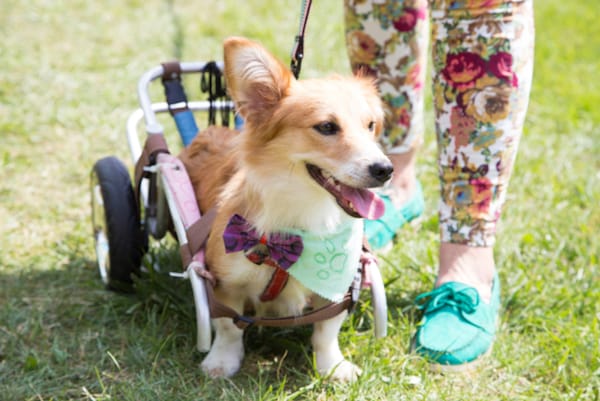
What is degenerative myelopathy?
Degenerative myelopathy is a non-painful condition that causes progressive changes in a part of the spinal cord responsible for nerve communication to the hind limbs, impairing a dog’s ability to walk. Degenerative myelopathy has been linked to a DNA mutation, and is thought to be similar to some forms of ALS, or Lou Gehrig’s disease. Signs can mimic arthritis, or other spinal cord problems, which may also be concurrent conditions
.

What are common degenerative myelopathy signs in dogs?
Early signs include:
- Difficulty getting up
- Unsteadiness, or swaying when walking
- Hind limb weakness
- Scuffing on the back toenails
Intermediate to advanced signs include:
- Loss of hind limb muscling
- Falling over easily
- Drunken gait, and crossing hind limbs
- Urinary or fecal incontinence
- Hind limb paralysis
How is degenerative myelopathy managed in dogs?
Degenerative myelopathy has no cure, but can be managed with supportive care. Physical therapy helps maintain muscle strength, and pain medications, or acupuncture, can be prescribed for concurrent arthritis. A combination of supplements, amino acids, and home-cooked diets has been used with variable results. Special harnesses, or custom canine wheelchairs, can offer walking support, and managing incontinence or pressure sores is essential once a dog becomes non-ambulatory.
What is the prognosis for dogs with degenerative myelopathy?
Unfortunately, degenerative myelopathy is a progressive disease that will ultimately result in complete hind limb paralysis. Dogs receiving physical therapy have a longer survival time, and a better quality of life, but most dogs are euthanized 6 to 12 months after diagnosis.
Management tips for dogs with degenerative myelopathy
At-home needs include:
- Easy access to food, water, and a comfortable location
- Modified surfaces to increase traction
- Ramps and safety gates
- Physical therapy, and safe, regular exercise
- Mobility aids (e.g., a sling, harness, or custom canine wheelchair)
- Doggy diapers, and potty pads, if needed
- Preventing pressure sores, and maintaining clean bedding
For end-of-life care:
- Try to keep your dog safe and comfortable
- Ensure they get adequate nutrition and hydration
- Monitor for pain or discomfort
- Evaluate your dog’s quality of life with our scoring tool
- Track progression of your dog’s health with our calendar
In a crisis situation:
Contact your veterinarian immediately if your dog suddenly collapses and cannot move, has uncontrollable shaking or panting, or is vocalizing in pain.
Before your dog’s condition becomes unmanageable, or they begin losing their quality of life, beginning end-of-life care discussions is vital. Learn more about pet hospice, in-home euthanasia, and our teleadvice service, or contact a Lap of Love veterinarian in your area, so you can feel fully prepared for this progressive disease.
Find a veterinarian near you
