 (855) 933-5683
Behavior Changes and Aggression
Back to resource center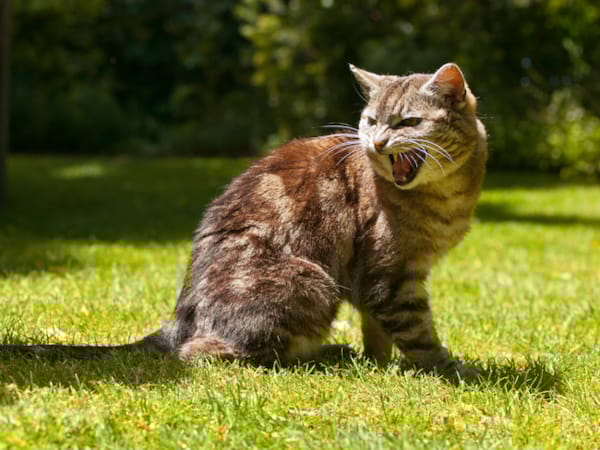
What conditions can cause behavior changes and aggression in pets?
Moody behavior, odd mannerisms, or outright aggression in pets can be caused by many medical conditions, including:
- Hypothyroidism (underactive thyroid)
- Cognitive dysfunction
- Feline lower urinary tract disease (FLUTD)
- Pain from arthritis, allergies, ear infections, dental problems, etc.
- Brain tumor
- Vision or hearing changes
Some behavior changes in pets can be caused by mental or emotional situations, such as fear, anxiety, and stress.

How can behavior changes and aggression affect my pet’s quality of life?
Many people believe their pet is acting up or being naughty when their behavior changes, or they begin growling, nipping, or hissing. However, often the poor behavior is hiding a deeper issue, such as joint pain, a brain tumor, or common aging changes, such as vision or hearing loss. If your pet’s behavior changes create fear and anxiety in your home, the human-animal bond can be strained, and lead to stress for the entire family as well as less-than-optimal care if your pet is difficult to handle, medicate, clean, or exercise.
How can I manage my pet’s behavior changes and aggression at home?
If your pet’s behavior changes or aggression scares you, you should seek immediate veterinary assistance, to avoid potential injury, before you try to manage the problem at home. Once your family veterinarian has determined the underlying cause of your pet’s behavior changes, you may try the following home-management techniques:
- Avoid causing undue stress from a chaotic household and provide a quiet place away from children where your painful pet can relax.
- Use calming pheromone products, such as Feliway for cats or Adaptil for dogs, to reduce stress and anxiety.
- Handle your pet gently to avoid painful areas, such as a tender back or sore leg.
- Do not startle your pet while they’re sleeping, and ensure they see or hear you before approaching.
When should I seek veterinary help for my pet’s behavior changes and aggression?
If your pet has a chronic condition, you should maintain close contact with your family veterinarian about their progress and management. Contact your family veterinarian in these situations:
- Your pet’s behavior worries or frightens you, or otherwise makes you uncomfortable. The aggression may be directed toward humans or potentially other pets in the household. It’s important to keep everyone safe.
- You have noticed a sudden behavior change
- Your pet’s behavior changed after beginning a new medication or dosage
- You notice illness paired with behavior changes, such as a decreased appetite, weight loss, or excessive thirst.
If your pet’s behavior change is not caused by a physical condition (e.g., pain or hypothyroidism), and has resulted from a change in environment, routine, or other non-medical issue, your family veterinarian may refer you to a veterinary behaviorist for continued guidance.
Before your pet’s condition becomes unmanageable, or they begin losing their quality of life, beginning end-of-life care discussions is vital. Learn more about pet hospice, in-home euthanasia, and our telehospice services, or contact a Lap of Love veterinarian in your area, so you can feel fully prepared for this difficult time.
Find a veterinarian near you
