 (855) 933-5683
Weight Loss
Back to resource center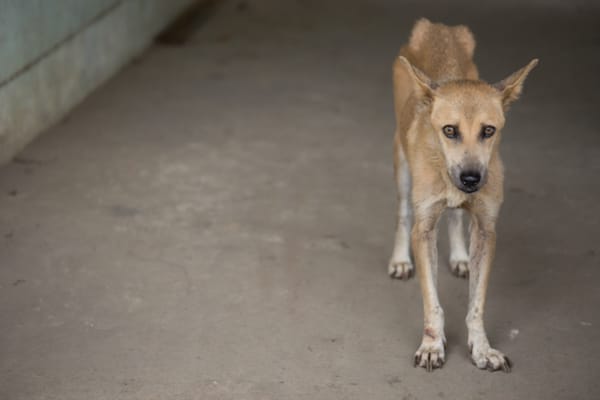
What conditions can cause weight loss in pets?
Weight loss develops secondary to many medical conditions, including:
- Diabetes
- Intestinal parasites
- Kidney disease
- Hyperthyroidism
- Addison’s disease
- Inflammatory bowel disease
- Cancers (e.g., lymphoma, osteosarcoma, and hemangiosarcoma)
- Malabsorption and maldigestion disorders (e.g., exocrine pancreatic insufficiency)
- Dental disease
- Stress
- Diet changes
Conditions that deplete your pet’s muscle mass, like degenerative myelopathy, can also lead to weight loss. While weight loss can benefit many pets, losing weight without a veterinarian-approved plan can be hazardous to their health.

How can weight loss affect my pet’s quality of life?
If your pet is suddenly losing weight, they likely also have a nutritional deficit or underlying condition. Depending on the cause, your pet may become weak and need help to perform necessary functions, like walking outdoors to eliminate or standing to eat. As your pet loses weight, their body will consume muscle mass, weakening them more. Rapid, unexplained weight loss, and unintentional gradual weight loss, can have severe consequences for your pet if the underlying problem is not addressed.
How can I manage my pet’s weight loss at home?
If your pet is suffering from unintentional weight loss, these management tips may help improve their quality of life:
- Increase your pet’s caloric intake by changing their food or adding supplements. Recommendations include:
- Healthy, high-calorie treats, like unseasoned chicken breast and white rice
- Food that is high in protein and calories, like Hill’s a/d
- A wet-food topper added to your pet’s dry food, to entice them to eat
- An appropriate amount of Nutri-Cal high-calorie supplement daily
- A tasty probiotic, like Purina FortiFlora, added to your pet’s food to encourage a healthy appetite
- Heat your pet’s canned food in the microwave for 10 seconds to enhance its aroma.
- Add a small amount of sodium-free chicken broth to your pet’s dry food.
- Increase the number of times you feed your pet each day.
When should I seek veterinary help for my pet’s weight loss?
If your pet has a chronic condition, you should maintain close contact with your family veterinarian about their progress and management. Contact your family veterinarian in these situations:
- Your pet is not only losing weight, bt also vomiting or experiencing diarrhea
- Your pet is losing weight rapidly
- Your pet cannot perform their daily activities because of weight loss-induced weakness
Your family veterinarian may have additional management tips, and can prescribe appetite stimulants or nutritional supplements to help keep your pet at an ideal weight.
Before your pet’s condition becomes unmanageable, or they begin losing their quality of life, beginning end-of-life care discussions is vital. Learn more about pet hospice, in-home euthanasia, and our telehospice services, or contact a Lap of Love veterinarian in your area, so you can feel fully prepared for this difficult time.
Find a veterinarian near you
